
The (Invisible) Mental Load of Parenting Abroad
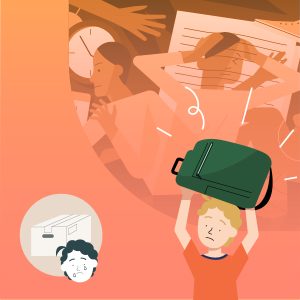
Nina sat at the dining table, her laptop open and her notebook filled with scribbled reminders: Wash the kids’ clothes, Research local doctors, Confirm residency paperwork. Her 6-year-old son, Max, tugged on her sleeve, asking if she could help him find his favorite toy. “In a minute,” she said distractedly, scanning yet another email about the after-school program.
That evening, Nina lay awake replaying the day in her mind. She worried about whether her kids were adjusting to school, whether she was making a good impression at the parent-teacher meeting, and whether her husband was truly happy with their move. It wasn’t just one thing.. it was everything, all at once. And Nina was holding it all together, or so it seemed.
This scene captures a reality many parents face while living abroad. The mental load (managing logistics, emotions, and relationships in a foreign environment) is relentless and often invisible. How can parents navigate this while maintaining their well-being?
Understanding Mental Load
What is mental load?
For the purpose of this article we are referring to mental load as the invisible work and “weight” of planning, organizing, and managing the emotional and logistical needs of a household. It’s the constant thinking about everything: from keeping track of schedules to addressing each family member’s needs, that often goes unnoticed yet feels all-encompassing.
For parents abroad, the mental load can be magnified. Beyond the usual responsibilities, they’re grappling with a host of new challenges:
- Personal and emotional difficulties: Coping with homesickness, culture shock, and feelings of disconnection.
- Relational complexities: Mourning old friendships, forging new ones, and managing family dynamics under stress.
- Navigating an unfamiliar culture: Tackling language barriers, adapting to different systems, and learning how to do basic tasks like grocery shopping or commuting.
- And so much more: What are other things that add to your mental load? Consider the areas that weigh on you most.
This relentless influx of new information and responsibilities can feel like drinking from a fire hose, especially when you are already feeling the burden of ensuring your family’s transition feels as seamless as possible. It’s important to remember, though, that feeling overwhelmed is completely normal. Adjusting to a new culture comes with challenges for everyone, and no one is exempt from moments of overload. What matters most is finding ways to work through it.
Recognizing the Signs of Mental Overload
For many parents, mental overload creeps in gradually. It’s easy to dismiss feelings of exhaustion as temporary or assume that everyone is dealing with the same level of overwhelm. But recognizing when you’re carrying too much is essential, and it’s also a natural part of the process.
Common symptoms of mental overload include:
- Feeling constantly overwhelmed or fatigued, even after rest.
- Difficulty concentrating or making decisions.
- Increased irritability or emotional sensitivity.
- Ignoring personal needs, such as sleep, exercise, or downtime, to prioritize others.
Ask yourself:
- When was the last time I truly relaxed?
- Do I feel resentful about the demands placed on me?
- Am I frequently overwhelmed by feelings of loneliness or isolation?
If you find yourself answering “yes” to these questions, it may be time to assess how much you’re carrying and seek ways to lighten the load. Remember, you’re not alone in feeling this way. Every parent living abroad has moments of doubt and overwhelm. At Expat Valley, we are here to help you find balance and regain a sense of calm.
Practical Tips for Managing Your Mental Load
While the mental load of parenting abroad is significant, there are steps you can take to find balance and create space for your own well-being.
- Acknowledge the Load
- Why it matters: Naming what you’re carrying is the first step to addressing it.
- How to start: Write down everything you’re managing—both tangible and emotional tasks. This helps make the invisible visible and allows you to identify areas where you can delegate or simplify.
- Prioritize Self-Care Without Guilt
- Why it matters: You can’t pour from an empty cup. Prioritizing your well-being benefits your entire family.
- How to start: Schedule regular “me time.” This could be as simple as a solo walk, joining a local yoga class, or setting aside 20 minutes to read a favorite book. Remember, self-care isn’t selfish—it’s essential.
- Delegate and Share Responsibilities
- Why it matters: No one can do it all alone. Sharing the load helps build teamwork and teaches children responsibility.
- How to start: Involve your partner and older children in age-appropriate tasks, from meal prep to planning logistics. If feasible, consider hiring local help to ease some of the workload.
- Set Boundaries with Technology
- Why it matters: Constant connectivity can add to your mental load.
- How to start: Limit screen time for non-essential tasks. Set specific times to check emails or respond to messages, and designate “tech-free” periods for family connection or personal reflection.
- Seek Community Support
- Why it matters: A strong support network can lighten the emotional and logistical burden.
- How to start: Find simple ways to connect with people around you, joining local groups, attending community events, or engaging with other global families.
- Need personalized support? Contact us at Expat Valley for expert care tailored to your family’s unique challenges.
Engaging in Conversations with Family Members
Open communication is key to managing your mental load and creating an environment of understanding within your family. Dialogue not only helps ease your mental load, but it can also create a supportive environment for your partner and children. It demonstrates the importance of self-awareness, emotional intelligence, along with setting healthy expectations and boundaries.
Start by reflecting on your own needs:
- Am I being honest with myself and my family about how I feel?
- What’s one small step I can take to ask for help or lighten my load?
Engage in conversations with family members:
- With your partner: What’s one thing we could do this week to support each other better?
- With your children: What’s been the best and most overwhelming part of this experience for you?
As Nina wrote the seemingly endless list of things to do tonight, tomorrow, and for the foreseeable future, she paused, closed her notebook, and helped Max find his toy. Then, instead of rushing back to her tasks, she stayed and played with him. They laughed together, and she used the moment to ask Max what the best and most overwhelming part of his day had been. He paused before answering, “It’s hard to be in a new school where I don’t know anyone, but the best part of my day is playing with you right now.”
Moments like these show how meaningful open communication can be. When families talk openly, they strengthen their relationships while creating a culture of trust and understanding. By weaving these conversations into everyday moments, parents nurture their children’s ability to navigate challenges with resilience and confidence.
Finding Balance in the Journey
Like Nina, many parents living abroad feel stretched thin as they carry the invisible weight of managing a family in a foreign environment. But by being kind to and taking care of yourself, prioritizing self-care, relationships and seeking support, you can find balance and even joy in the process.
Living abroad isn’t just about adapting to a new culture: it’s about growing into a new version of yourself. By demonstrating resilience and resourcefulness, you model these qualities for your children, showing them how to navigate challenges with strength and compassion.
At Expat Valley, we are here for every step of your journey of international relocation. Are you feeling you are on mental overload? Schedule a free Discovery Call with one of our Global Family Experts to discuss what you are going through and identify your route to a happy global family life.
« Back